Tuff Shed Junior ADU Conversion: The San Diego Owner’s Guide
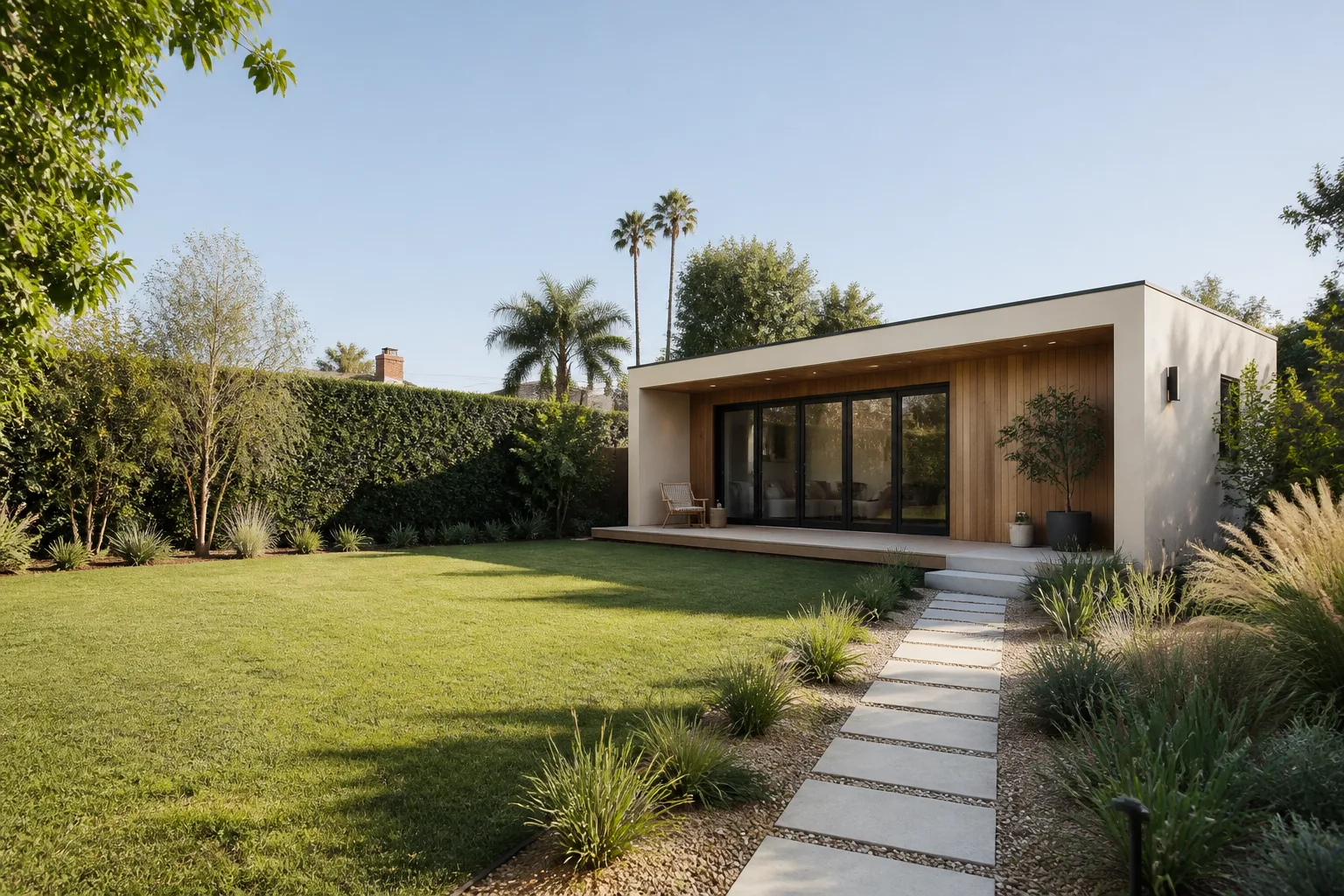
A Tuff Shed junior ADU conversion in San Diego typically runs $28,000 to $52,000 for a fully permitted, turnkey unit, depending on the shed size, site prep, and utility connection distance. We keep most Tuff Shed-compatible framing hardware, fasteners, and electrical rough-in components in stock, and we can usually start the structural inspection within a week of your call. Most owners reach out when their existing conversion has a failed part, a permit complication, or a contractor who walked off mid-project. If your Tuff Shed shell is sound but the conversion work is failing, replacement parts and corrective labor are far cheaper than starting over.
The Kingswell Guarantee applies here the same as on a full ADU build: a written price before we touch anything, a real arrival window, a clean job site, and a written guarantee on the work, including a free return visit if anything fails within 365 days. Russ Delmar and our San Diego crew have converted Tuff Shed shells from Chula Vista to Oceanside, and we know where these builds go wrong before they start.
Which Tuff Shed Models This Applies To
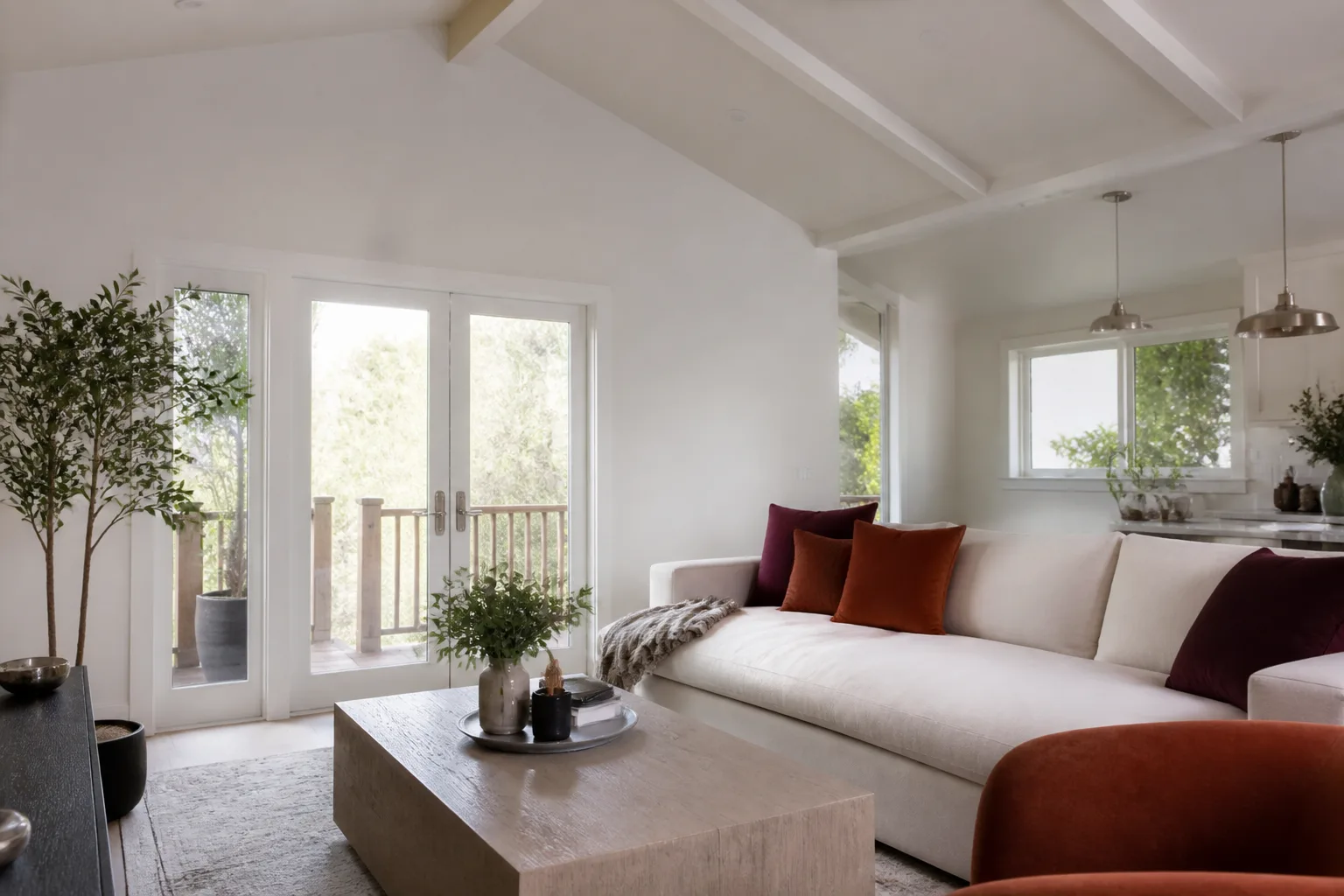
Tuff Shed builds their structures under a few distinct lines, and not every model is a candidate for junior ADU conversion. The Premier Pro series and the Tall Barn series are the two we see converted most often in San Diego because they have sufficient wall height (typically 8 to 10 feet) and engineered floor systems that can support a legal dwelling’s live load. The older Ranch series and Garden series often have 2×3 wall framing instead of 2×4, which changes insulation depth, electrical rough-in methods, and structural shear requirements. If you’re unsure which shell you have, check the builder’s label inside the door jamb: it lists the production date, the model code (TPP for Premier Pro, TTB for Tall Barn, TR for Ranch), and sometimes the original installation address.
Tuff Shed does not build finished ADUs, so there is no OEM “junior ADU conversion kit.” The parts we source are code-compliant aftermarket components: fire-rated drywall, R-13 or R-15 insulation, 20-amp GFCI circuits, and Simpson Strong-Tie hardware sized to the existing stud layout. A common compatibility gotcha is that older Tuff Sheds in coastal San Diego neighborhoods have slightly narrower stud bays than standard residential framing, often 15-1/4 inches instead of 16 on-center, which means standard 14-1/2-inch batt insulation fits sloppily and leaves thermal gaps. We measure every bay before ordering insulation.
Lodgewick ADU San Diego is an independent service provider. We are not affiliated with Tuff Shed, but we work on their structures regularly and stock the fasteners, connectors, and junction boxes that match their framing patterns. We also work with prefab ADU brands including Abodu, Cover, and Dvele, so if your Tuff Shed turns out to be a poor conversion candidate, we can give you a straight answer about alternatives.
Signs Your Tuff Shed Junior ADU Conversion Is Failing
- Spongy or sagging floor sections near the door. Tuff Shed floor joists are sized for storage loads, not for furniture, kitchen fixtures, or a bathroom. Once you add a bed, a mini kitchen, and foot traffic, the joists deflect. You’ll feel a bounce or see the flooring dip. This is a structural load issue, not a cosmetic one.
- Outlet covers that won’t sit flush against the drywall. This usually means the drywall was installed over studs that weren’t shimmed level, or that moisture has swollen the wall cavity. In San Diego’s coastal marine layer, condensation inside an uninsulated or poorly insulated wall will warp drywall within two years.
- A musty or ammonia smell that gets stronger when the space is closed up. This is nearly always a ventilation problem. Junior ADUs under 500 square feet need mechanical ventilation by California code, and many DIY conversions skip the exhaust fan entirely. The smell is stale moisture and, potentially, mold inside the wall assembly.
- Doors that stick only in the afternoons. San Diego’s inland valleys can swing 30 degrees between morning and late afternoon. A Tuff Shed door frame without proper flashing or expansion gaps will bind when the sun hits it. If the door sticks seasonally, the frame was never properly tied to the shed’s wall framing.
- Breakers tripping when you run the microwave and a space heater at the same time. Many converted sheds are fed by a single 15-amp circuit run from the main house with undersized wire. A legal junior ADU needs its own subpanel with at least a 60-amp feed for a mini kitchen and bathroom. If your breaker trips, the circuit was never sized for dwelling use.
Replacement Cost & What’s Included
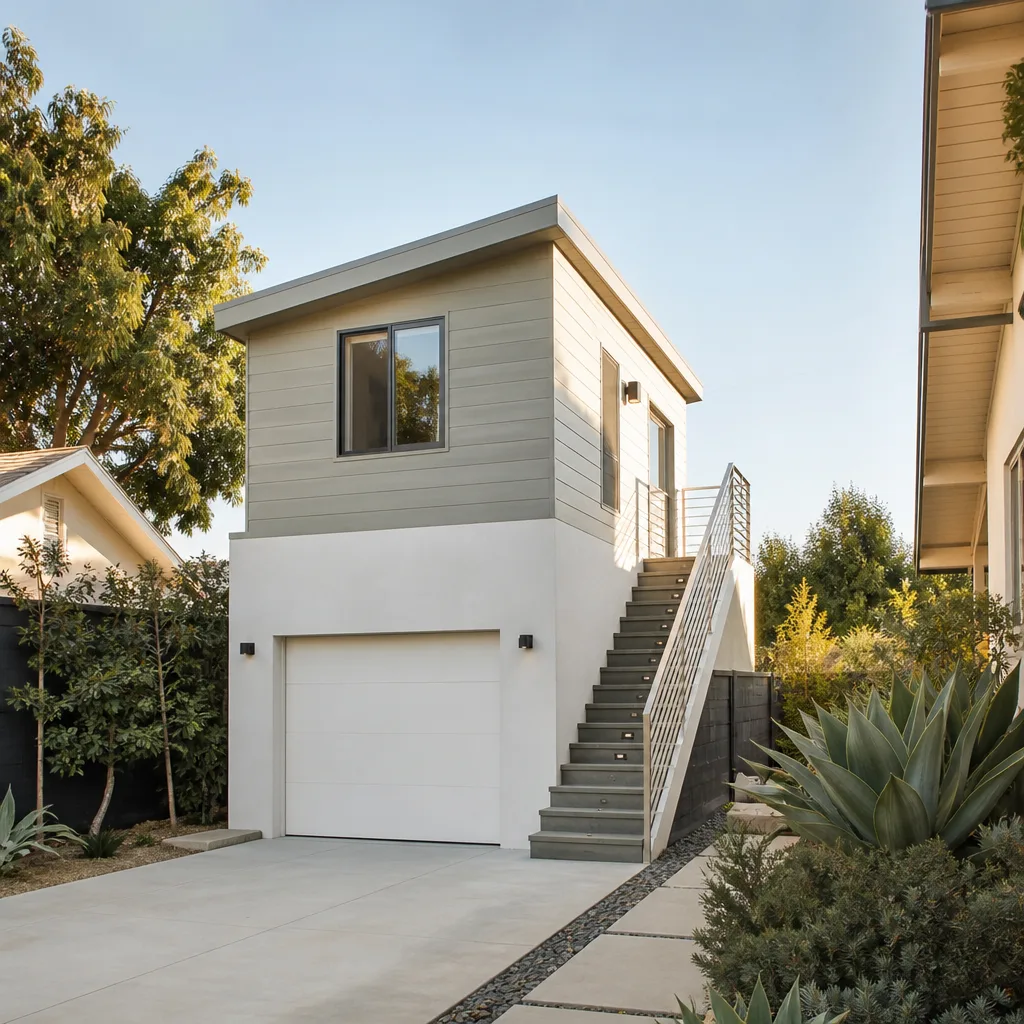
Corrective work on a failing Tuff Shed conversion in San Diego falls into predictable bands. Electrical panel and circuit replacement runs $3,500 to $7,500 depending on trench distance from the main house. Floor joist reinforcement or replacement runs $2,800 to $6,000 for a typical 120- to 200-square-foot shell. Wall insulation removal, mold treatment, and re-drywall runs $4,000 to $9,000. Full envelope upgrades (insulation, drywall, ventilation, flooring) on a shell that was never properly finished run $14,000 to $25,000.
Every line item is written down before work starts. You’ll get the part cost, the labor rate, the permit fee if one is required, and a schedule. No price changes at the door, no vague allowances. The work carries our 365-Day Done Right Promise: if something we installed fails within a year, we come back and fix it at no charge. That’s in writing on the same sheet as your price.
DIY or Call Us?
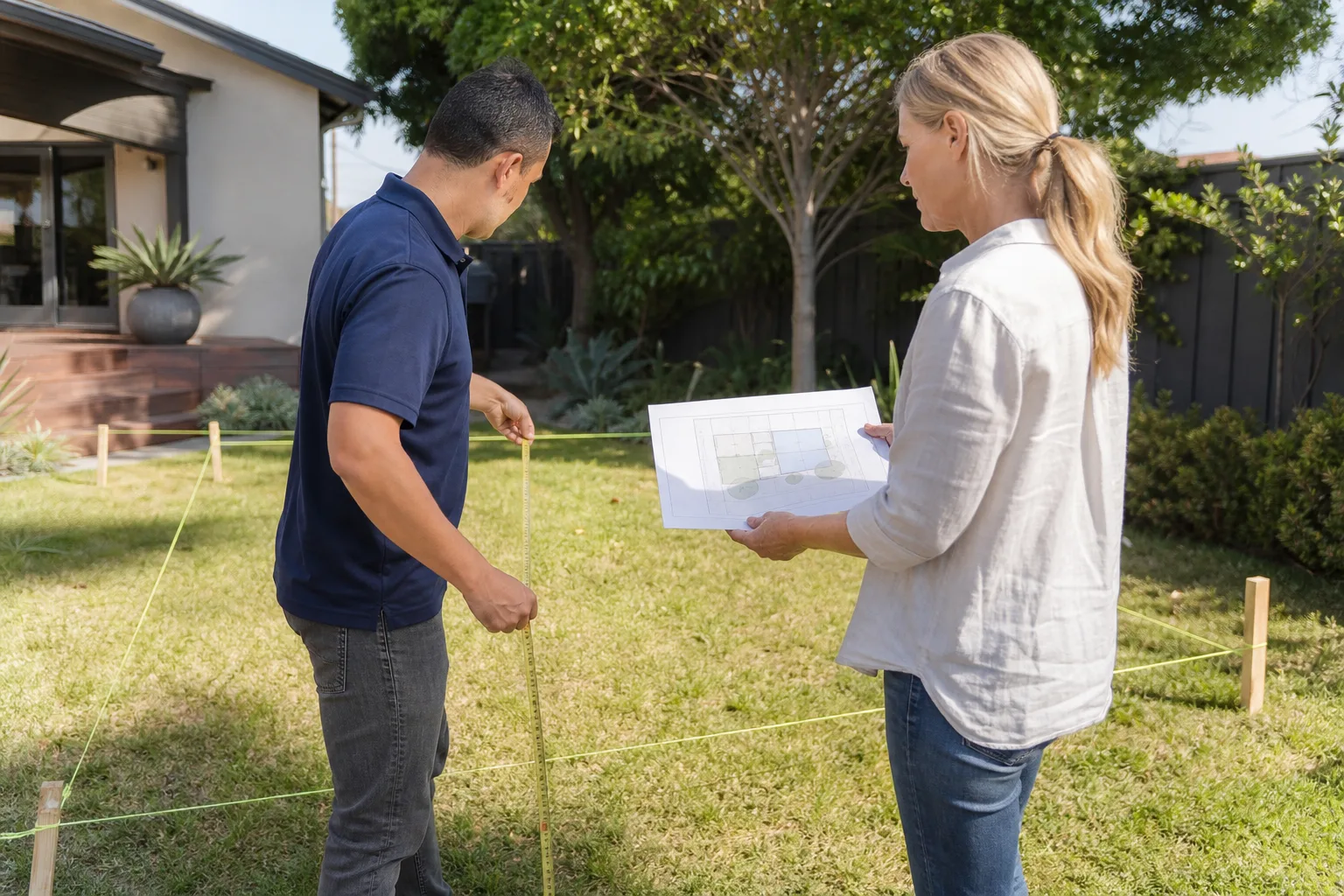
You can check three things yourself without risk: look at the builder’s label to identify your model, measure your stud bay spacing, and note which circuits trip and when. Those details save us time when you call. What you should not do yourself is anything involving electrical panels, gas lines, or structural modifications. A junior ADU in California is a dwelling unit under Title 24. That means a permitted, inspected conversion with a certificate of occupancy. Unpermitted electrical work inside a dwelling is a fire risk and an insurance denial waiting to happen.
Tuff Shed shells are built for storage. Converting one to a legal dwelling means bringing the floor, walls, wiring, and ventilation up to residential code. That’s what our crew does in San Diego every week. If you’re already in a half-finished conversion and something is failing, call Russ and the team at (619) 376-2760. We’ll walk the site, tell you what’s actually wrong, and put the fix in writing.
FAQs
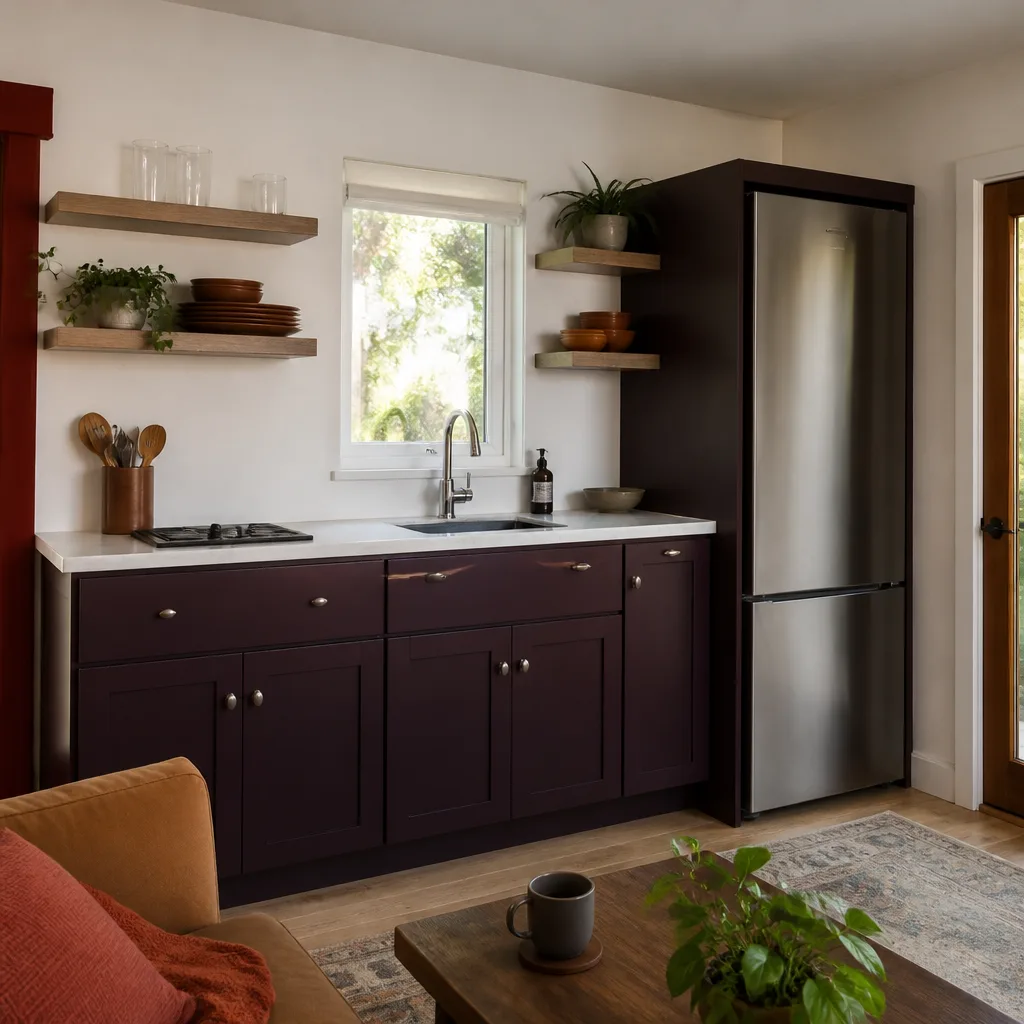
A properly permitted and finished conversion should last 30 to 50 years if the shell was sound and the envelope work was done right, especially with San Diego’s mild climate. The weak points are the original Tuff Shed framing and floor system, which were never engineered for residential loads, so reinforcing them at the start makes the difference between a decade and a lifetime.
Yes, and that’s most of what we do. A single failed system, like under-rated electrical or a sagging floor, can usually be corrected without tearing out the whole unit. We give you a written scope that covers only what needs fixing. Call (619) 376-2760 and we’ll tell you what’s repairable after a site visit.
Most corrective work on a Tuff Shed conversion takes two to five working days once permits are in hand. Electrical corrections are usually fastest. Full envelope fixes with drywall and insulation run longer because of inspection scheduling.
We keep the most common pieces in stock: Simpson connectors sized for Tuff Shed framing, 20-amp GFCI outlets, junction boxes, exhaust fans rated for small spaces, and insulation cut to their non-standard stud bays. Custom framing and subpanel components are ordered same week if we don’t have them in the truck.
Written by Russ Delmar, Owner, Lodgewick ADU San Diego at Lodgewick ADU San Diego, serving San Diego and nearby areas.