Mighty Buildings Site Prep & Utilities: The San Diego Owner’s Guide
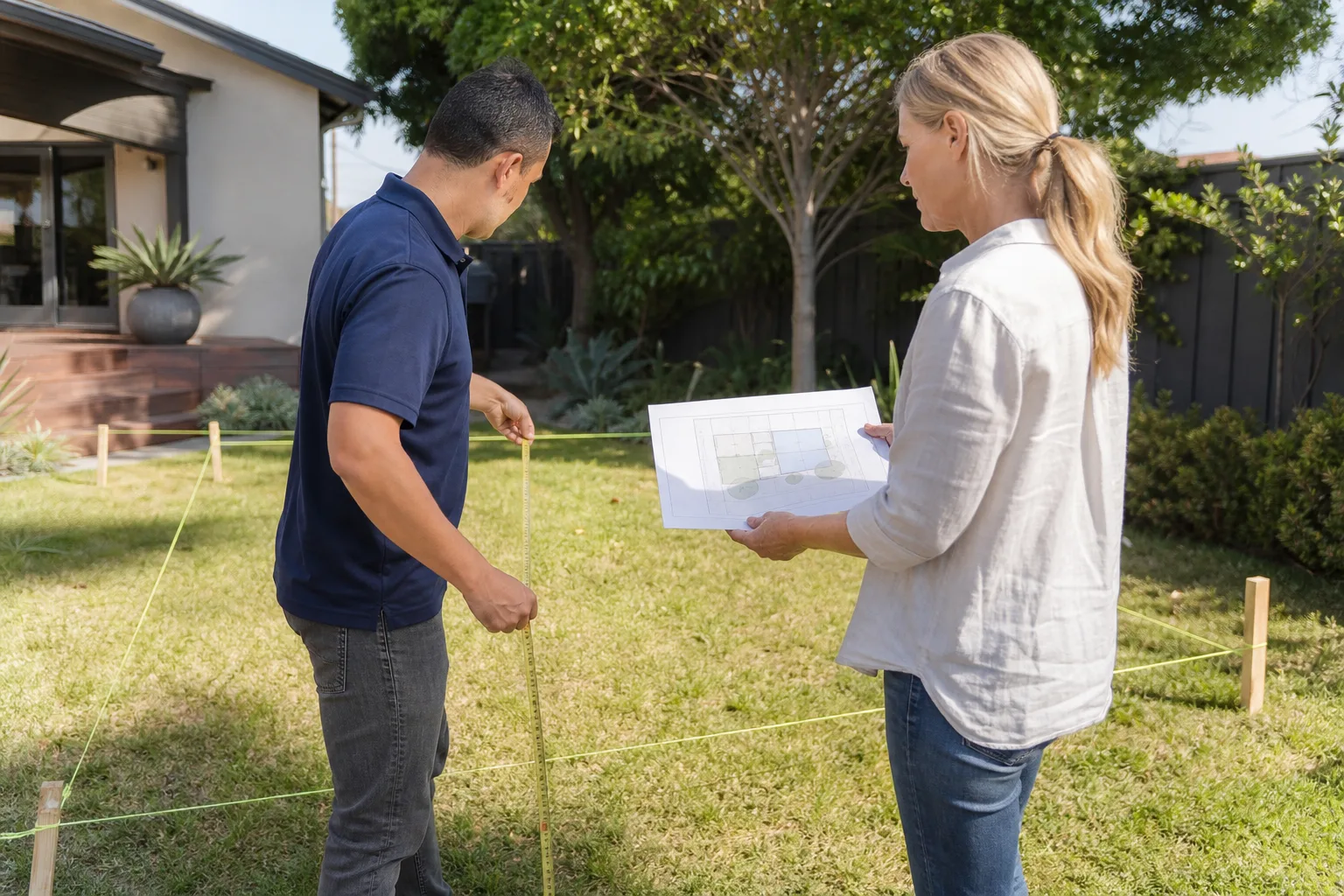
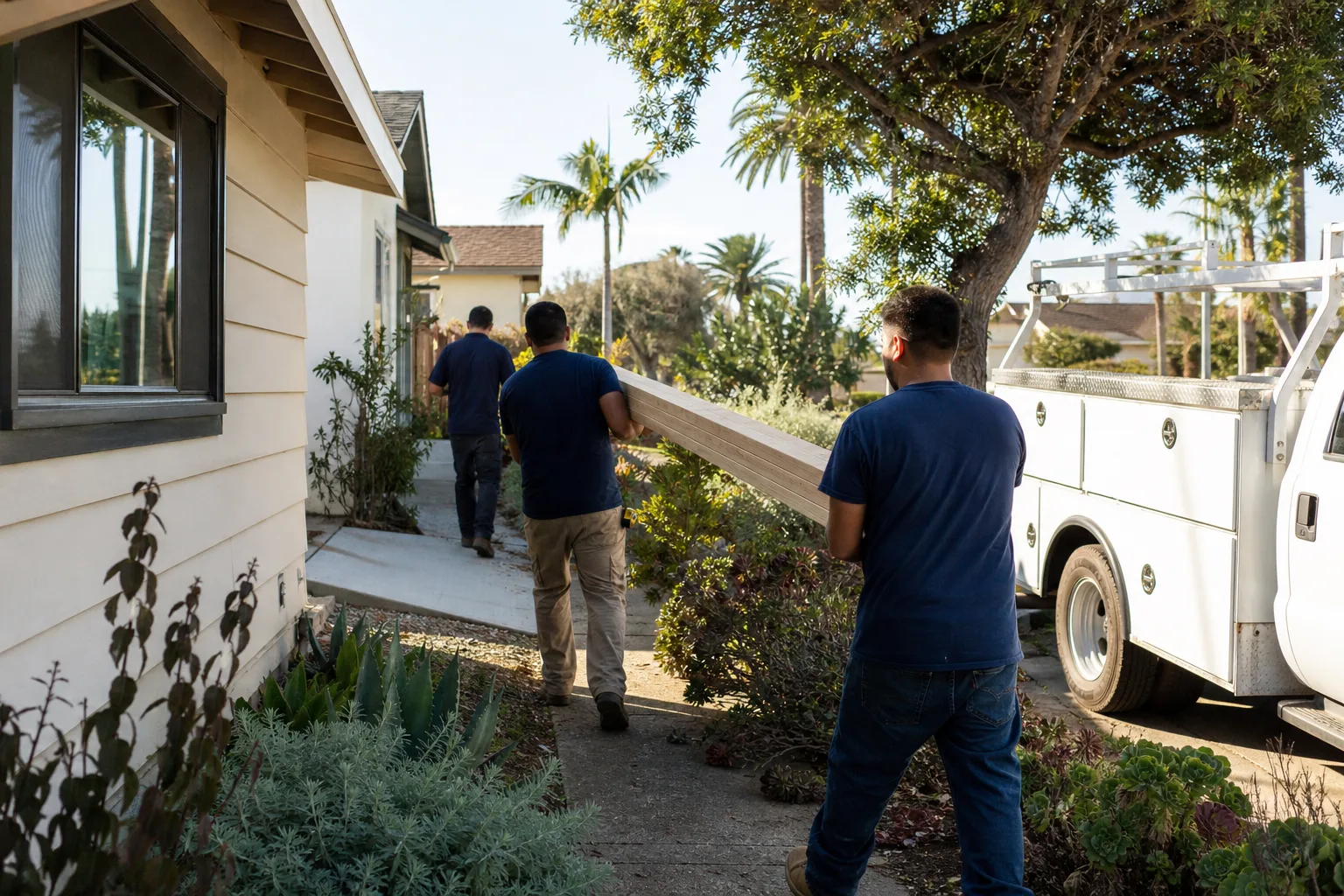
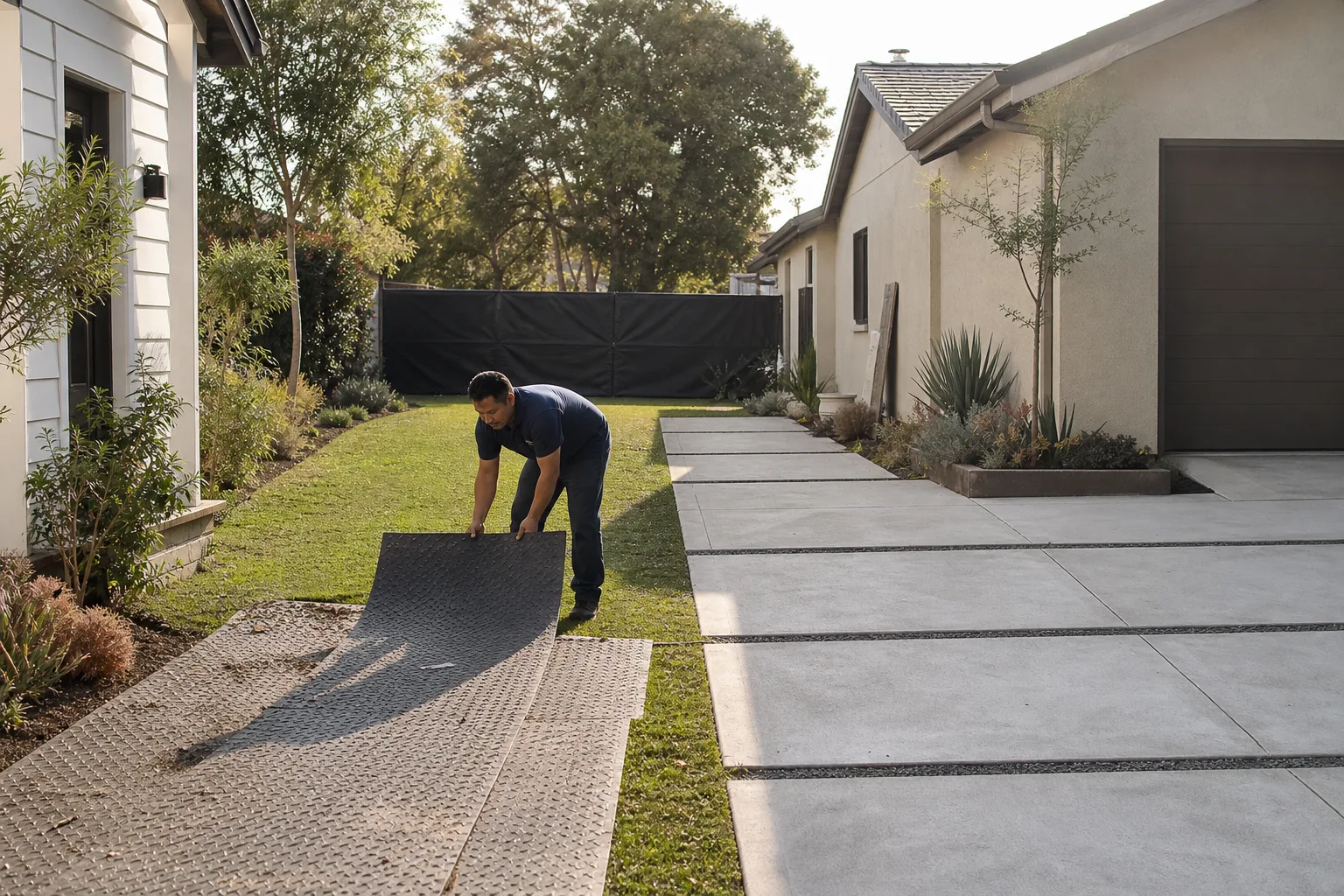
We stock and install Mighty Buildings-compatible site prep and utilities components across San Diego, with typical installed work running $4,500 to $17,000 depending on trenching depth, panel upgrades, and how far your ADU sits from the existing utility connections. Most owners discover a site prep or utility issue during the pre-installation survey, when a foundation tolerance slips out of square, or months after placement when a utility trench settles and a sewer line begins holding water. The good news: we keep the common failure points on our trucks, and Russ Delmar has spent the last several years walking San Diego lots where a previous contractor’s site work left the under-slab rough-ins in the wrong position for a Mighty Buildings unit.
A quick note on relationship: Lodgewick ADU San Diego is an independent service provider. We’re not affiliated with Mighty Buildings, but we work with their units regularly enough to know what their factory specs demand of the site below them.
Which Mighty Buildings Models This Applies To
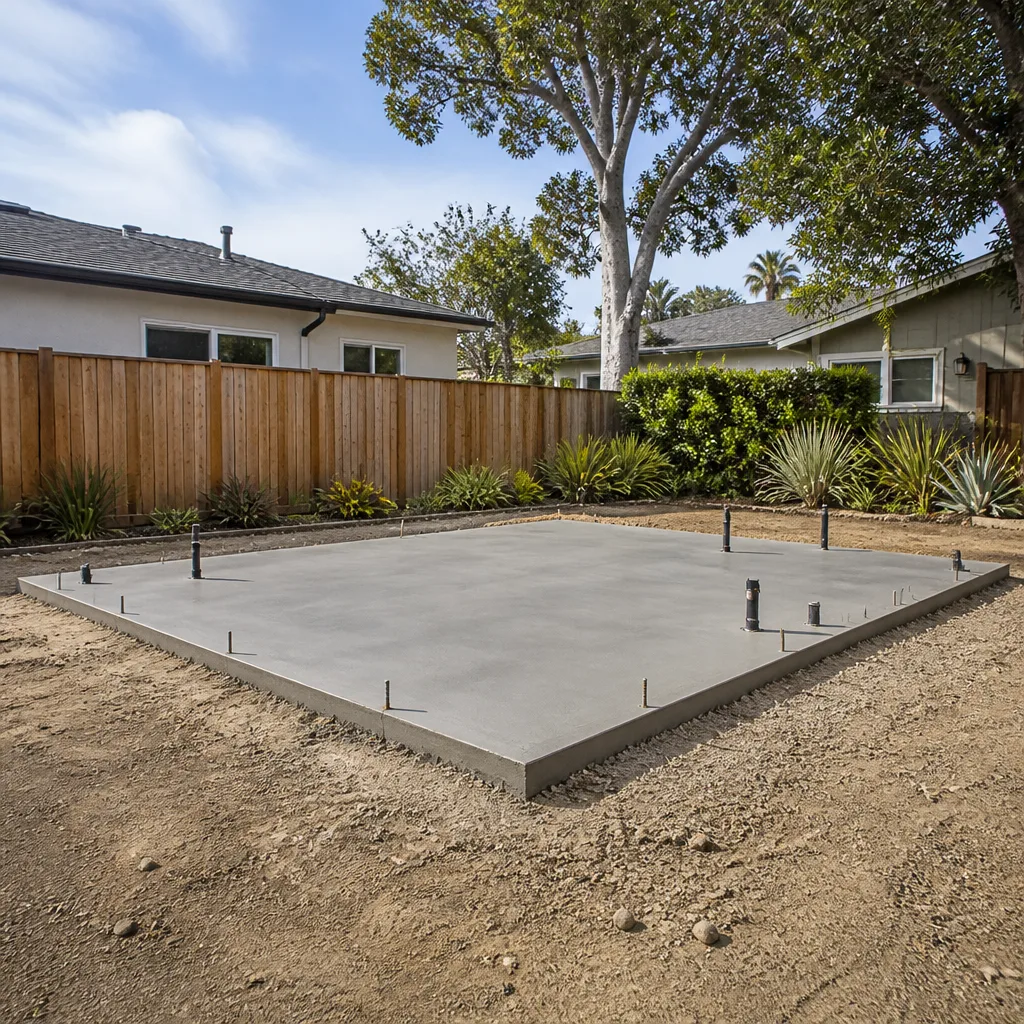
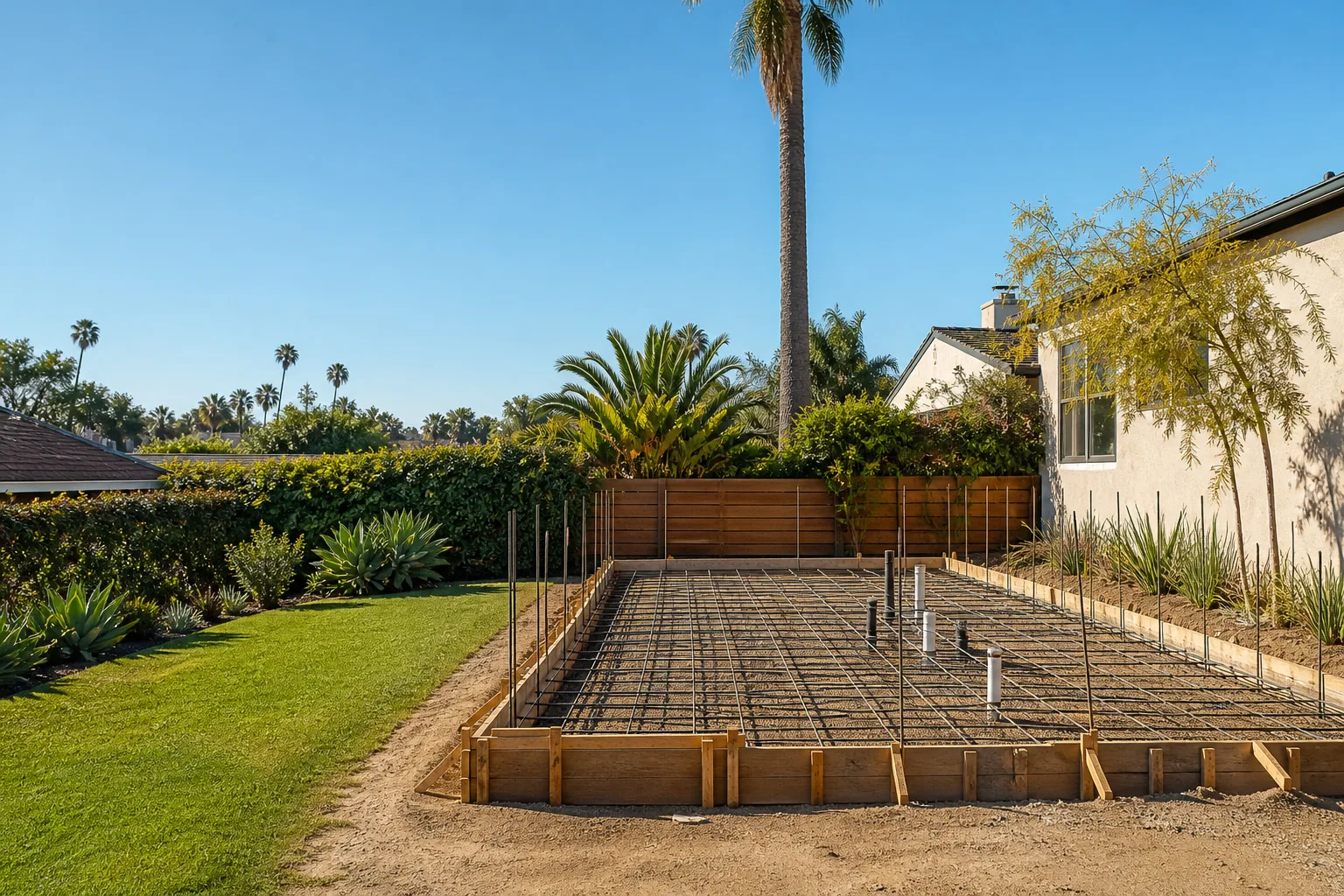
Site prep and utilities work for Mighty Buildings isn’t one-size-fits-all. The factory’s panelized units arrive as a kit of 3D-printed polymer composite panels that assemble on-site, which means the foundation tolerances are tighter than what a conventional stick-built ADU demands. A Mighty Buildings unit expects a slab flat within a quarter inch over ten feet. Most standard San Diego concrete contractors pour to a half-inch tolerance, which leaves you shimming, grinding, or re-pouring before the first panel goes up.
For identifying what your specific unit needs: check the foundation plan sheet in your Mighty Buildings packet. It’ll list the anchor bolt pattern, the embed locations for the utility stubs, and the expected load points. The under-slab rough-in for these units usually stubs up at pre-set coordinates, not field-located like a traditional build. If the stub is off by more than two inches, the panel won’t seat and the plumbing chase won’t line up. On the electrical side, most Mighty Buildings units in the current lineup arrive pre-wired internally, so the site side is really about getting a 100-amp subpanel feed (or larger, if your unit runs an all-electric HVAC package) from the main panel to the unit’s exterior connection point, properly trenched and sleeved.
The OEM-vs-aftermarket decision here is different than it is for a water heater. There’s no “Mighty Buildings brand” sewer pipe or conduit. The parts are industry standard: ABS or HDPE sewer, schedule 40 or 80 PVC for power, copper or PEX for supply lines. What matters is that the installer respects Mighty Buildings’ published spec sheet, not that the pipe came from a particular supplier. We spec to the unit’s requirements and use parts that’ll pass a San Diego inspection the first time.
Signs Your Mighty Buildings Site Prep & Utilities Is Failing
- Sewer line holding water after the unit’s been placed. In San Diego’s clay-heavy soils (especially around Clairemont and parts of Poway), a poorly compacted trench will settle and create a belly in the line. You’ll notice slow drains in the ADU and sometimes a gurgle from the toilet when the washing machine discharges. The fix usually means spot-repairing the settled section and re-compacting with proper moisture control.
- Slab showing hairline cracks radiating from the anchor points within the first year. This isn’t always structural doom, but on a Mighty Buildings unit it’s worth investigating. The panelized system transfers load differently than a stick wall, and if the slab wasn’t reinforced to the factory’s spec, you’ll see cracking at the corners where the panel joints meet the floor. We core-sample these to see if it’s surface or through-depth.
- Panel misalignment at the base track, meaning the slab’s out of tolerance. If you’re mid-installation and the first course of panels won’t seat without forcing, stop. The unit’s already telling you something. Grinding or self-leveling underlayment can save days of fighting, but you want someone who knows the tolerance spec before they break out the grinder.
- Water pooling around the perimeter after rain. San Diego gets about ten inches of rain a year, but those rains come in short, hard bursts. If your ADU’s perimeter drainage wasn’t graded to carry water away from the slab edge, you’ll get puddling and, over time, moisture wicking into the base track. We see this on lots in Linda Vista and Mission Valley where the original grade was never adjusted for the ADU footprint.
- Breaker tripping on the ADU subpanel under normal load. A Mighty Buildings unit with an all-electric heat pump and induction range needs the full 100-amp feed, and the conductors need to be sized for the trench run’s distance, not just the panel rating. If someone ran undersized aluminum over 150 feet to save a few hundred dollars, you’ll know it the first time the heat and the dryer kick on together.
Replacement Cost & What’s Included
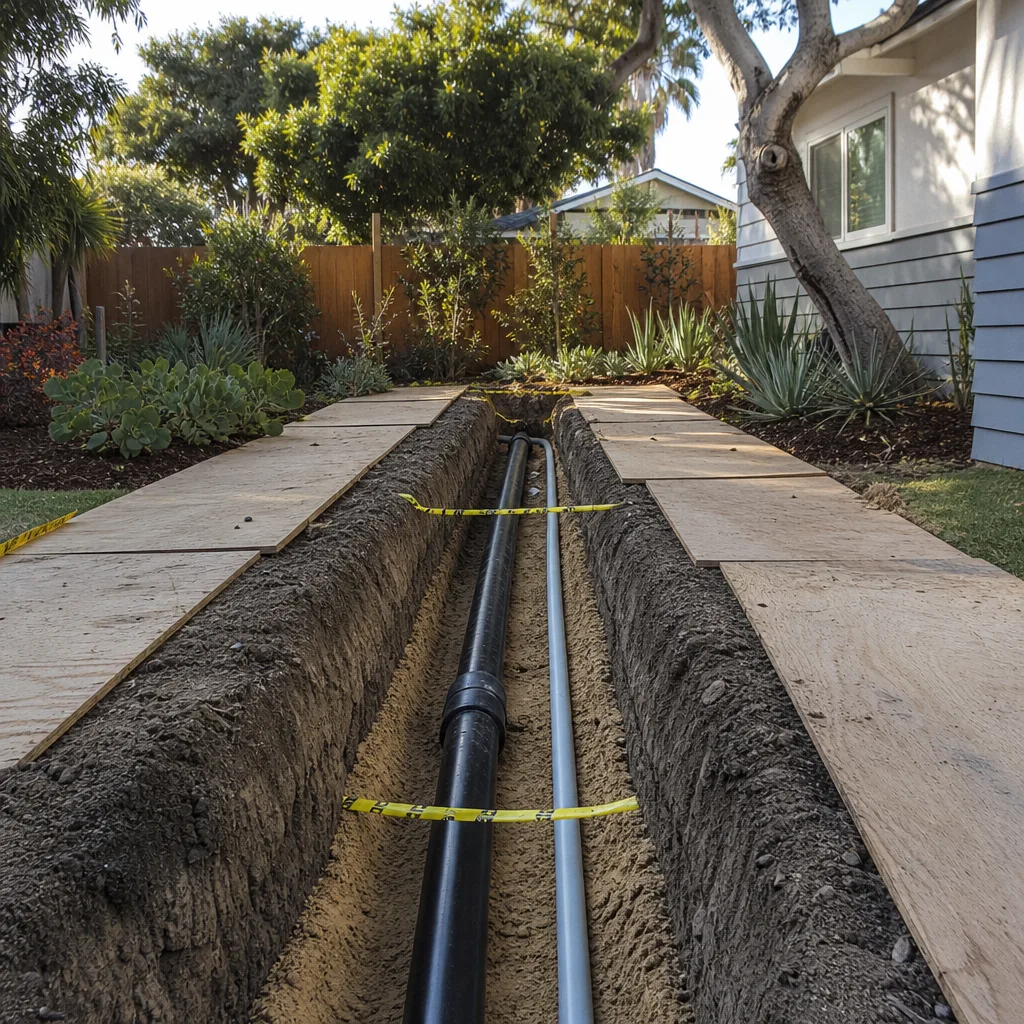
Here’s what site prep and utility repair actually costs in San Diego right now, in real numbers.
| Scope of Work | Typical Installed Range |
|---|---|
| Sewer line repair (settled section, up to 20 feet) | $2,800 – $5,400 |
| Under-slab supply line re-rough or repair | $1,500 – $3,200 |
| Electrical subpanel feed (trench, conduit, conductors, panel) | $3,200 – $6,800 |
| Slab leveling / self-leveler for Mighty Buildings tolerance | $1,800 – $4,200 |
| Full site prep package for new Mighty Buildings placement (grading, compaction, slab, utility stubs, drainage) | $9,000 – $17,000 |
The range depends on access (can we get a mini-excavator to the trench line, or is this a hand-dig between two existing structures?), soil conditions, and whether the city inspector wants to see the open trench before we backfill. Every quote we give is a written line-item price. You see the parts, the labor, the permit fee, and the disposal before you sign anything. If it’s not on the page, it’s not in the price. And if something fails within the first year, the 365-Day Done Right Promise means we come back and make it right at no charge. That guarantee is in writing, on every project, the Kingswell Way. Like Russ says: “Tell me what you’re hoping to build, and I’ll tell you what it actually takes – cost, timeline, and all the permit steps – before you spend a dime.”
DIY or Call Us?
You can diagnose. You shouldn’t dig. Walking your own lot to check for standing water, giving the slab a visual once-over for cracks, and snapping a photo of the trench line during installation are all reasonable owner-duties. But trenching for sewer and electrical in San Diego means calling USA North 811 for utility locating, and once you’re down two feet with a shovel and a pickaxe, you’re not saving money, you’re creating a liability. Electrical feeders carrying 100 amps to an ADU are not a weekend wiring project. Gas lines, if your unit spec’d gas, are absolutely not. The real cost of a DIY attempt that goes sideways is a failed inspection, a torn-up yard you have to re-trench, and a city citation if you cut a line. If you want our honest recommendation: do your own visual inspection, then call (619) 376-2760 and let us price the repair. The estimate is free, and you’ll know the number before you commit to anything.
FAQs
A properly engineered slab and correctly compacted utility trench should function for the life of the ADU, realistically 40-plus years for the concrete and 25-plus for buried ABS sewer line. What shortens that in San Diego specifically is clay soil movement and our cyclical drought-flood pattern. Trenches that weren’t compacted in lifts will settle within the first two seasons, and slabs without proper vapor barriers will wick moisture from winter rains. When we do the site work, we compact in six-inch lifts and test before we cover anything. Call (619) 376-2760 and we’ll walk you through what proper compaction looks like on your specific lot.
Sometimes. A single settled joint on a sewer line can often be cut and re-coupled rather than replaced entirely, and a cracked concrete stub can occasionally be chipped out and re-poured to factory tolerance. What can’t be repaired is a whole trench run that settled along its length because the compaction was never done right. In those cases, a patch job just means you’ll be digging again in eighteen months. We’ll tell you which situation you’re in before we quote the work, and the recommendation will be based on what we see in the trench, not what’s easier to sell. Get the exact picture at (619) 376-2760.
A focused repair like a settled sewer section or a subpanel feed upgrade is usually a one-to-two-day job once permits are in hand, which in San Diego typically means a two-to-four-week lead time for the permit office to process. Full site prep for a new Mighty Buildings placement runs closer to three to four weeks from grading to the final city inspection, depending on weather and inspection scheduling. We give you the arrival window and the expected inspection dates in writing before we start, and we don’t change the schedule without calling you first. That’s the Kingswell Way. Want a specific timeline for your project? Call (619) 376-2760.
We stock the common site-side parts on our trucks: 4-inch ABS sewer fittings, schedule 40 and schedule 80 PVC conduit, 100-amp subpanel kits, copper and PEX supply line fittings, anchor bolts, and slab repair materials like epoxy and self-leveler. Anything unusual for your specific Mighty Buildings spec, like a specialty panel or a non-standard connector, we order directly through our San Diego supply chain and it’s typically on-site within three business days. If you need an answer on whether we have your part today, call (619) 376-2760 and ask. A live person answers.
Written by Russ Delmar, Owner, Lodgewick ADU San Diego at Lodgewick ADU San Diego, serving San Diego and nearby areas.
We also stock parts and site-prep components for Abodu, Cover, and Dvele ADU systems.
Call (619) 376-2760 for a free estimate on your Mighty Buildings site prep or utility repair. Whether your slab is out of tolerance, your sewer line is settling, or your electrical feed isn’t keeping up, we’ll give you a written price before any work starts, a real arrival window, and a written guarantee that we’ll come back if it isn’t done right.