James Hardie Junior ADU Conversion: The San Diego Owner’s Guide
If you’re planning a junior accessory dwelling unit (JADU, the smaller cousin of a full ADU, typically carved out of an existing home’s footprint) wrapped in James Hardie siding, you’re likely wondering about cost, timeline, and whether the siding system will hold up to San Diego’s coastal air. In San Diego, a James Hardie-clad JADU conversion typically runs $145 – $230 per square foot for the full build, with the siding and weather barrier portion accounting for roughly $9 – $14 per square foot installed. Most owners discover they need this work when they see cracked lap siding, swollen trim boards near grade, or water staining around window openings after the first heavy rain in years. We stock the common James Hardie profiles and trim pieces on our trucks, and we can usually match your existing siding pattern within a day of looking at it.
Which James Hardie Models This Applies To
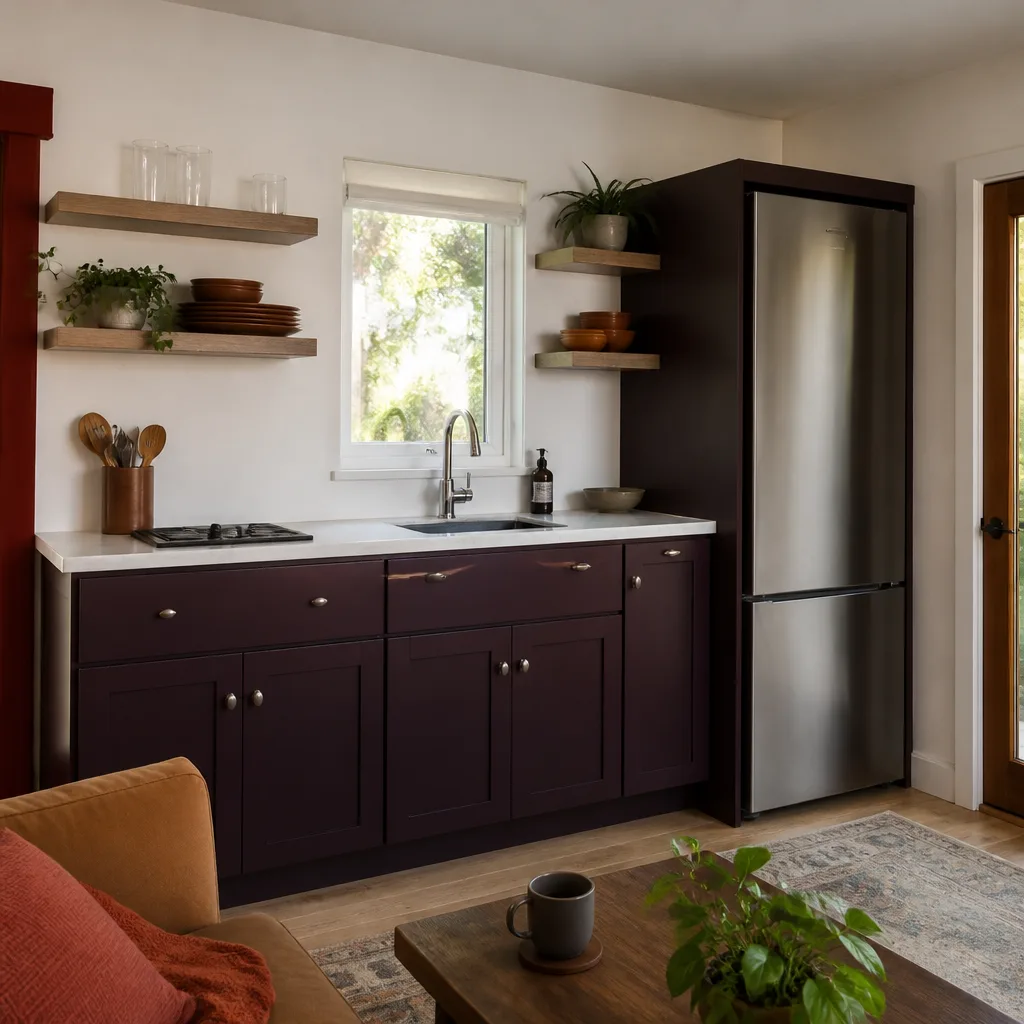
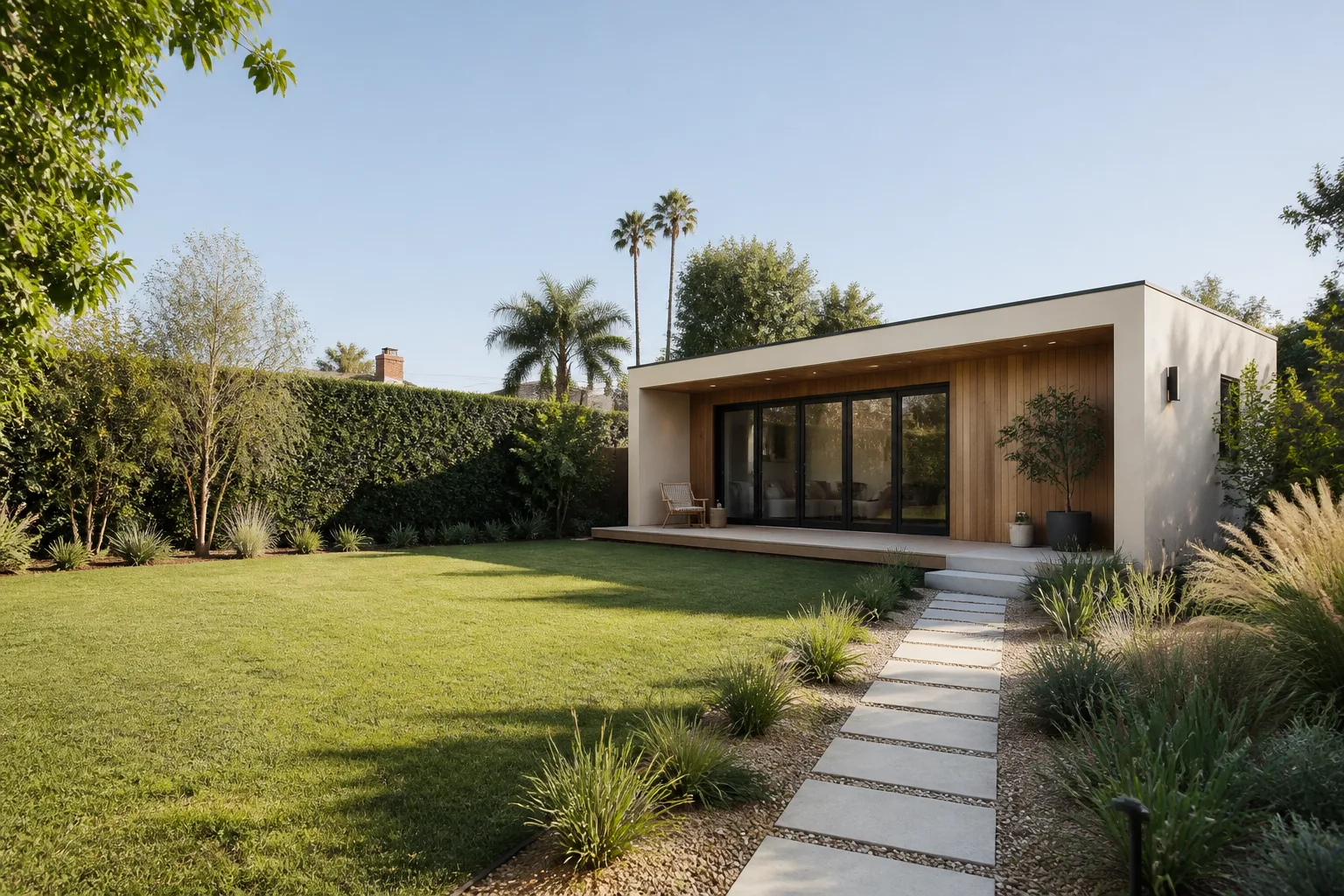
When we talk about a “junior ADU conversion” with James Hardie, we’re usually talking about one of three scenarios: converting an attached garage into a JADU, partitioning off a section of an existing single-family home, or adding a small attached addition that qualifies as a JADU under San Diego’s accessory dwelling unit ordinance. The James Hardie angle matters because the siding on your conversion needs to tie into the existing home’s exterior, and that means matching profile, texture, and color across two different construction eras.
James Hardie’s lap siding comes in several profiles: the 5/4 in. smooth, the 8-1/4 in. cedar grain, and the HardiePlank Select Cedarmill, which has a deeper wood grain that many San Diego homes use. The trim boards (HardieTrim) come in 4/4 and 5/4 thicknesses, and the panel products (HardiePanel Sierra 8 and Stucco) are used for vertical surfaces on many modern ADU designs. The compatibility gotcha most owners run into: James Hardie changed their color formulation around 2018, so a factory-primed board from 2016 won’t match a new board in the same color name exactly. We order by the dye lot when we’re matching an existing JADU or home, and we photograph the existing color before we ever place the order.
For OEM versus aftermarket: James Hardie makes the siding itself, but the flashing, weather barrier, and fasteners are made by other manufacturers. We use Hardie’s recommended accessories (HardieWrap house wrap, HardieBacker screws, and their proprietary flashing system) on every conversion we do, because mixing a generic house wrap with Hardie’s system voids the product warranty. Lodgewick ADU San Diego is an independent service provider, not affiliated with James Hardie Corporation, but we’ve installed enough of their product across San Diego to know exactly which accessory goes with which profile.
Signs Your James Hardie Junior ADU Conversion Is Failing
- Lap siding cracking at the lower edges. In San Diego’s coastal zones, the constant moisture cycling from morning marine layer to afternoon sun causes the fiber cement to expand and contract more than inland. If the siding was installed without proper clearance at butt joints, the boards push against each other and crack at the corners. This is almost always an installation flaw, not a product flaw.
- Swollen or delaminating trim boards near grade. HardieTrim should never sit directly on concrete or within 6 inches of soil, but plenty of San Diego garage conversions have trim touching a slab. The wicking action pulls moisture up into the board and it swells, softens, and starts to flake. If you can press a finger into the trim and leave a dent, it’s moisture-failed and needs replacement.
- Water staining around window and door openings. This almost never means the siding itself failed. It means the flashing was installed wrong or skipped entirely. In a JADU conversion, where you’re cutting new window openings into an existing wall, the flashing detail is the easiest thing for a rushed crew to get wrong. The stain shows up months later, after the first real rain season.
- Gaps opening at board ends. HardiePlank is installed with a small gap at each butt joint that gets caulked or flashed. When the caulk fails and the gap widens, moisture gets behind the siding and starts working on the sheathing underneath. On a San Diego home five years old, this is the first visible sign that the exterior needs attention before the framing does.
- Color fading unevenly across sections. James Hardie’s ColorPlus finish is factory-applied and should fade evenly. If you see one wall that’s noticeably lighter or chalkier than the others, it’s usually because that section got repainted with a non-Hardie paint after a repair, or because a board was replaced with a different lot. Matching an older finish takes a painter who knows which topcoat Hardie approves for the product.
Replacement Cost & What’s Included
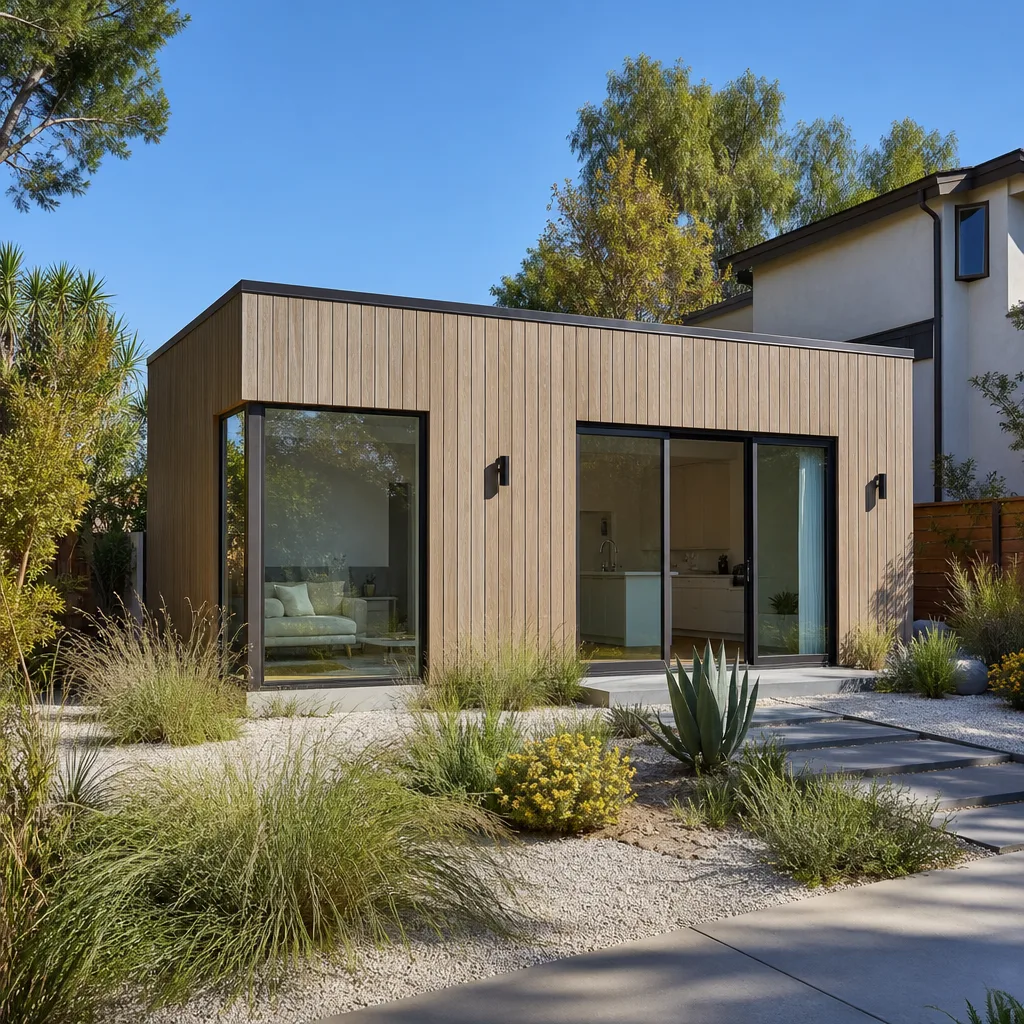
For a typical JADU conversion in San Diego with HardiePlank lap siding, plan on $9 to $14 per square foot for the siding materials and installation, including the house wrap, flashing, and trim accessories. A 400-square-foot JADU with standard 8-foot walls runs $7,500 to $12,000 for the full siding package. If you’re using HardiePanel for a more modern look, the range shifts to $8 to $12 per square foot installed. If the existing sheathing underneath is compromised, add $2 to $4 per square foot for replacement.
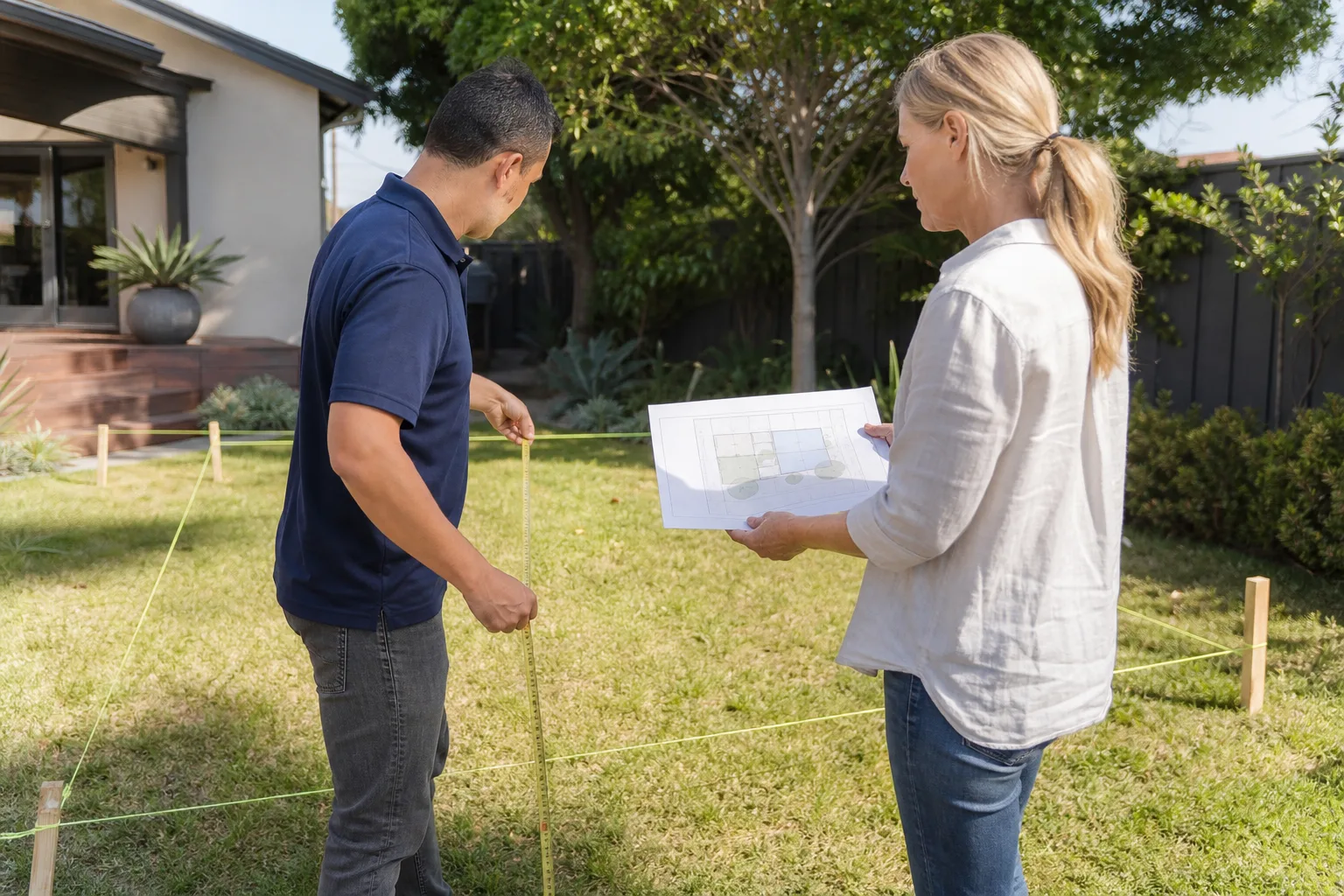
What drives the range: whether we’re tying into existing siding (which means careful color matching and ordering by lot), whether the JADU has vaulted ceilings or complex gables (more cutting, more waste), and whether the existing structure needs rot repair before we can install anything. We write the scope before we start, and the price doesn’t change once work begins. That’s the Kingswell Guarantee: written price first, defined arrival window, clean job site, written guarantee before the first board goes up.
Every James Hardie JADU conversion we do in San Diego includes the Hardie recommended flashing system, HardieWrap house wrap, color-matched caulk at every butt joint, and a written 365-Day Done Right Promise. If any part of the siding work fails within a year, we come back and make it right at no charge.
DIY or Call Us?
You can safely check a few things yourself: look for cracks at board ends, press on trim boards near the ground for softness, and run a hose along the bottom edge to see if water wicks up. What you shouldn’t do is try to remove and replace HardiePlank yourself, especially on a second-story wall or around window openings. Fiber cement is heavy, it creates silica dust when cut without the right blade, and getting the flashing detail wrong means you’ll have the same water problem again in eighteen months, just now with your own workmanship warranty.
If you’re in San Diego and the siding on your JADU conversion is showing any of the signs above, call Russ Delmar’s team at (619) 376-2760. We’ll match your profile and color, write you a real price, and stand behind the work. You can walk the site with us before we start. You can ask as many questions as you want. The estimate is free either way.
FAQs
James Hardie siding carries a 30-year non-prorated product warranty, but in San Diego’s climate, the real-world lifespan is 35 to 50 years on the siding itself. The weak points are the caulk joints, which typically need service every 7 to 10 years, and the flashing, which can fail much sooner if it was installed wrong. We see JADU conversions in coastal neighborhoods needing their first caulk and paint refresh around year 8, which is normal maintenance, not product failure.
Yes, in most cases we can cut out and replace individual damaged boards or trim pieces without touching the rest of the wall. The challenge is matching the color and texture if the existing siding has faded. We photograph the wall, order from the same product line, and often use a Hardie-approved touch-up system for edge color. If the damage is widespread or the flashing was never installed correctly, a full re-side of that wall is usually cheaper than repeated patch jobs.
For a standard 400-square-foot JADU, the siding portion takes 4 to 7 working days from tear-off to final caulk and paint touch-up. If we’re doing the full conversion including framing, electrical, and interior, the complete project runs 8 to 12 weeks in San Diego’s permit cycle. We give you a written schedule at contract signing, and if the city inspection timeline shifts, we tell you the day we know, not the day before the crew was supposed to show up.
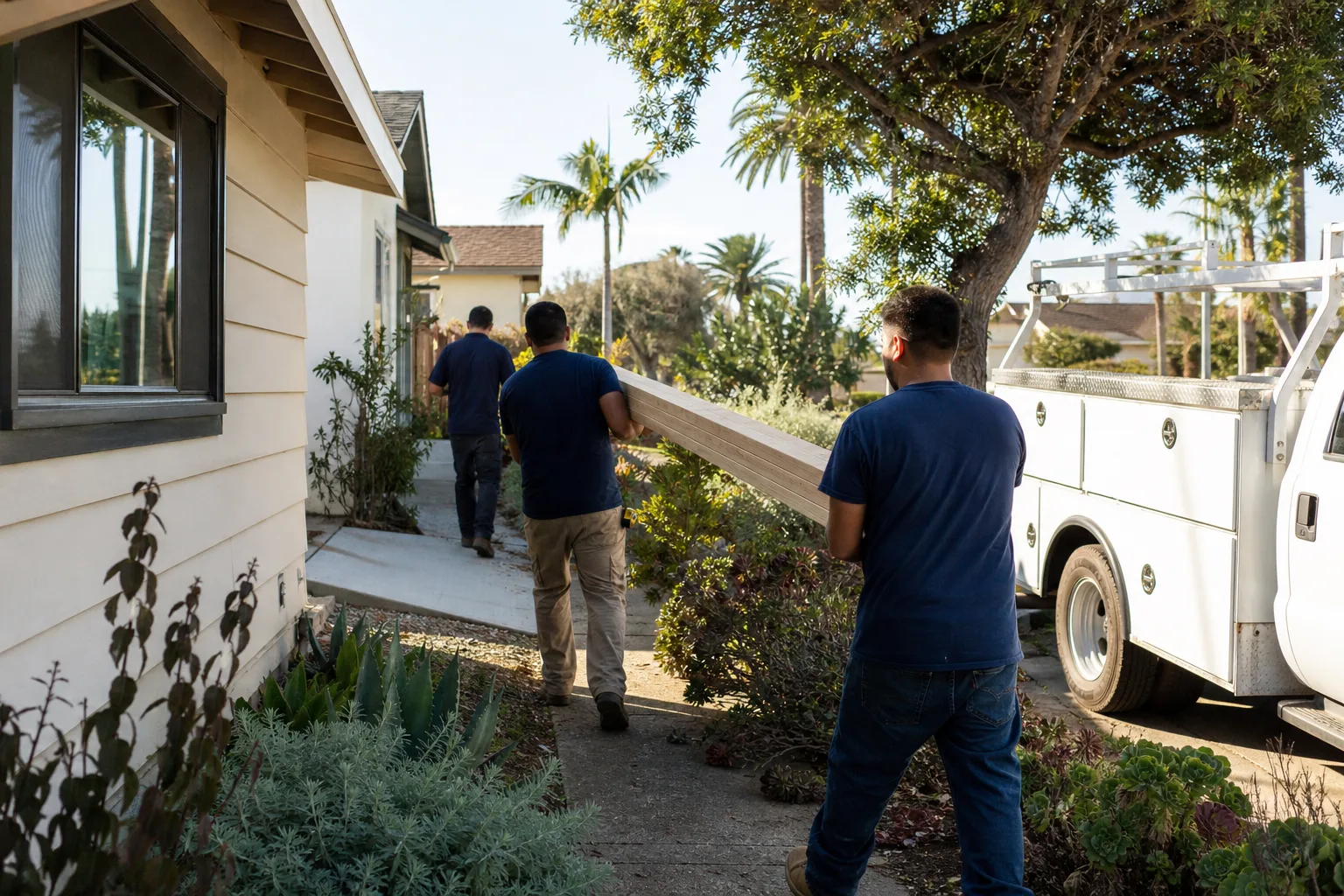
We stock common HardiePlank profiles in 5/4 smooth and Cedarmill, 4/4 HardieTrim boards, and the flashing accessories on our trucks. For less common profiles like the 8-1/4 in. cedar grain or any ColorPlus pre-finished product, we special order by lot to ensure the match is right. We also stock compatible materials for Abodu, Cover, and Dvele prefab units, which use different siding attachment systems than a site-built James Hardie wall.
Written by Russ Delmar, Owner, Lodgewick ADU San Diego at Lodgewick ADU San Diego, serving San Diego and nearby areas.