Abodu Junior ADU Conversion: The San Diego Owner’s Guide
We stock and install Abodu-compatible junior ADU conversion components throughout San Diego, with most full conversions running between $85,000 and $145,000 depending on your existing structure, utility runs, and permitting scope. The work typically takes 10 to 16 weeks from first walkthrough to final inspection. Most owners discover they need this page the same way: an Abodu panel or module shows water staining, a corner joint has opened up, or the city flagged an unpermitted conversion during a property sale.
Before we get into symptoms and pricing, one honest note: Lodgewick ADU San Diego is an independent service provider. We’re not affiliated with Abodu, but we’ve worked on enough of their units across San Diego to know exactly what holds up in our coastal climate and what doesn’t.
Which Abodu Models This Applies To
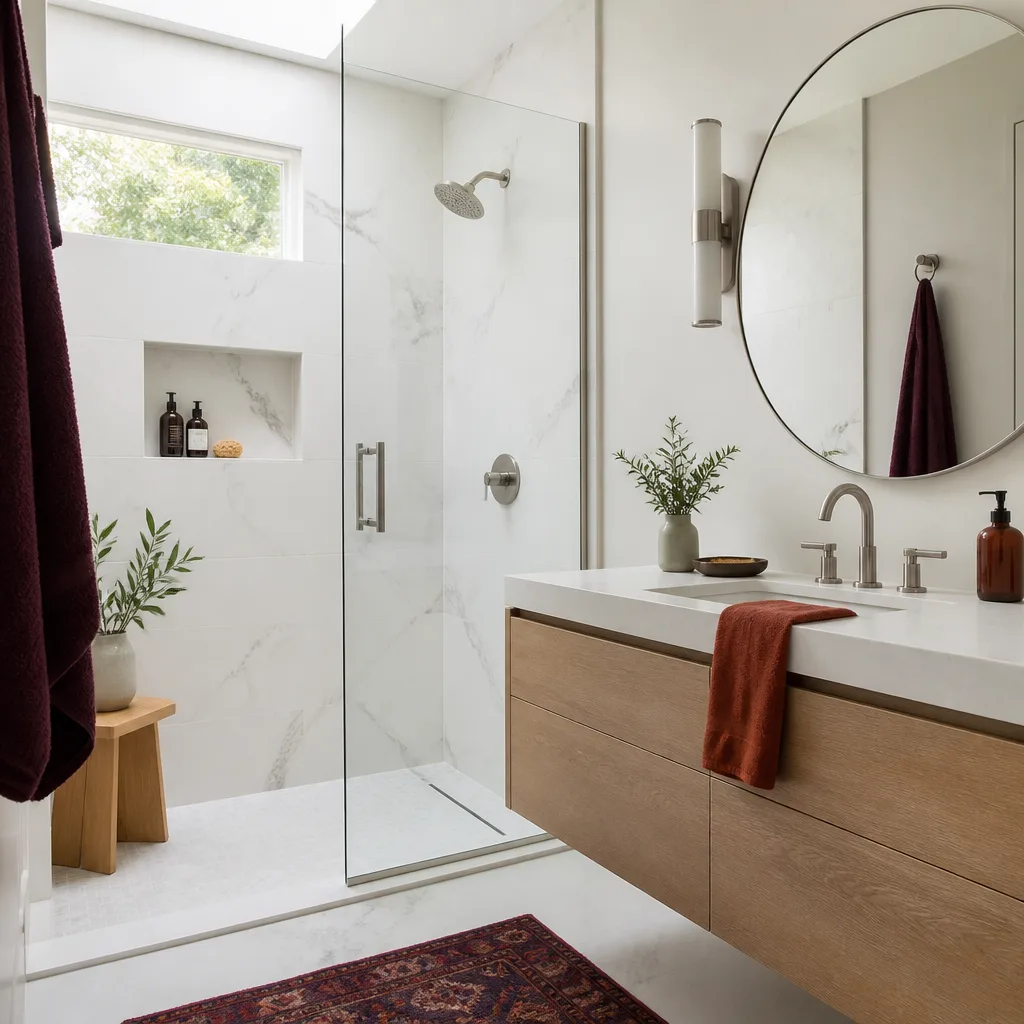
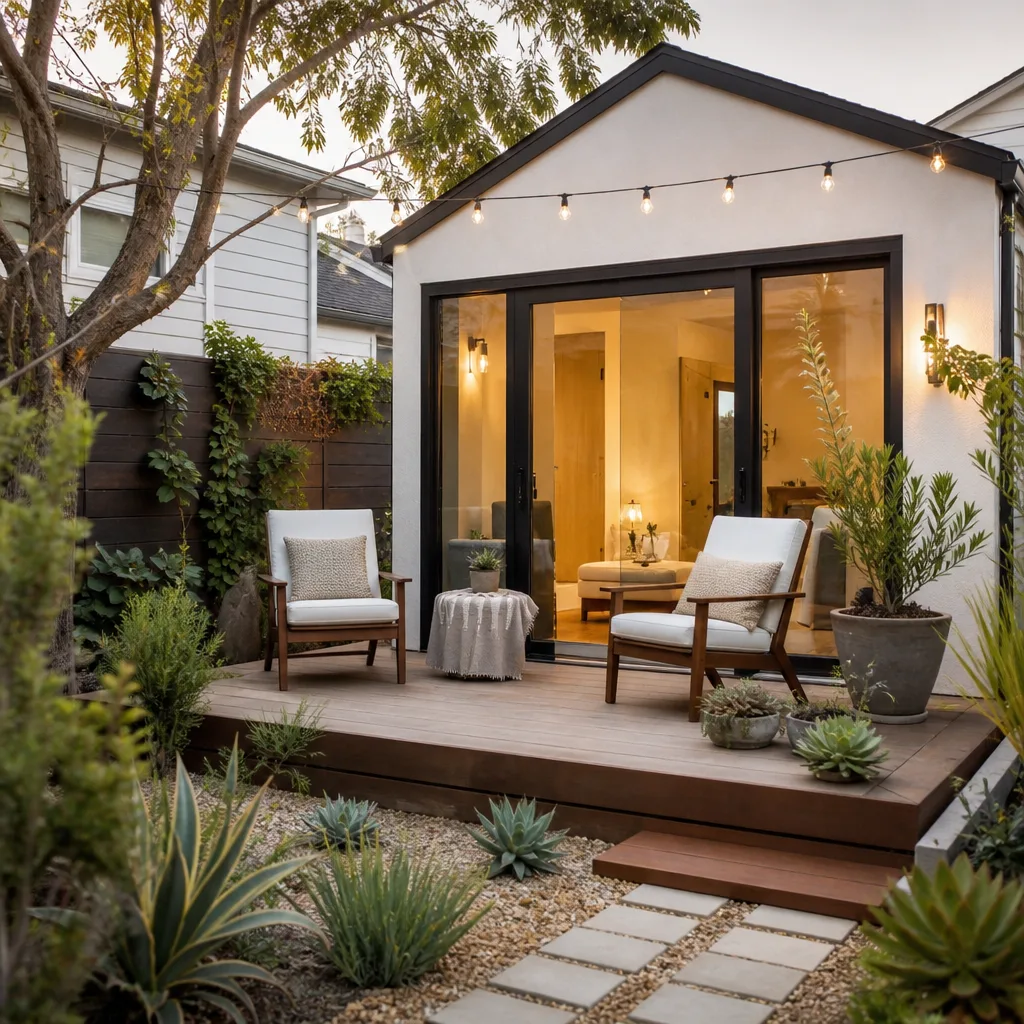
Abodu builds three primary configurations: the Studio (roughly 340 square feet), the One-Bed (around 500 square feet), and the Two-Bed (about 610 square feet). Junior ADU conversions usually involve the Studio or One-Bed models being adapted from an existing permitted structure, like a garage or workshop, where Abodu’s panelized walls and roof cassettes get integrated into the older framing. The compatibility gotcha most owners don’t know: Abodu’s panel joinery uses a specific tongue-and-groove spline with a factory-applied sealant channel. If a previous contractor caulked over that channel instead of replacing the spline, water gets trapped behind the sealant and rots the bottom plate from the inside out. We see this regularly in Mission Valley and Clairemont garages where the slab has settled a quarter inch over thirty years.
To identify which series Abodu unit you have, check the aluminum data plate inside the electrical panel door or on the underside of the roof cassette near the entry corner. The plate lists the serial prefix (AB-ST for Studio, AB-1B for One-Bed, AB-2B for Two-Bed) and the panel revision number. Revision matters, especially on units built before 2021, because the roof cassette flashing detail changed and older flashings don’t shed water properly against San Diego’s diagonal winter rain. For replacement parts, we recommend OEM Abodu components when the structure is under the manufacturer’s warranty period. After that window closes, we source quality aftermarket equivalents from the same suppliers Cover and Dvele use for their modular joints and weather barriers. The material cost difference is usually 15 to 20 percent, but the real savings come from not paying Abodu’s freight and crating fees for a single panel.
Signs Your Abodu Junior ADU Conversion Is Failing
- Staining at the wall-to-floor corner joints. This is the classic Abodu failure mode in San Diego. The factory sealant channel at the base plate dries out under our UV exposure, then winter rain wicks into the plywood sill. By the time you see discoloration, the bottom six inches of the wall panel usually need replacement.
- Doors that stick in the summer and swing loose in winter. Abodu’s panelized framing expands and contracts with humidity swings. If the door reveals were cut tight during installation, the panel binds. This is an adjustment issue, not a foundation problem, in most cases we see around North Park and Normal Heights.
- Soft spots on the exterior siding near hose bibs or downspouts. Abodu’s original siding detail assumes a full drip edge at penetrations. When a handyman added a hose bib or exterior outlet after the original install, the flashing often wasn’t integrated. Water follows the penetration and delaminates the sheathing.
- A musty smell that comes and goes with the marine layer. San Diego’s coastal humidity pushes moisture into any unsealed seam. If the smell gets stronger in May and June, you likely have a hidden condensation point in the roof cassette insulation or at the ridge beam connection.
- Visible daylight at the roof cassette seam. This is the one that requires immediate attention. If you can see light through the joint where two roof panels meet, the sealant has fully failed and the structural connection is exposed to weather. Roof cassette repairs on Abodu units run higher than wall work because the ceiling finish usually has to come down.
Replacement Cost & What’s Included
For an Abodu Junior ADU conversion in San Diego, expect the following installed price ranges:
| Scope | Typical Installed Cost |
|---|---|
| Single wall panel replacement (Studio) | $3,200 – $5,800 |
| Roof cassette seam reseal | $2,400 – $4,200 |
| Full conversion: Abodu unit integrated into existing garage, including foundation work, utility connections, drywall and finish | $85,000 – $145,000 |
| Permit-only correction package (unpermitted conversion remediation) | $6,500 – $14,000 (fees and inspection corrections) |
The spread on a full conversion reflects what’s behind your walls. A garage with a post-tension slab, easy sewer access, and a 200-amp panel already in place is a faster job than a detached workshop with a 60-amp subpanel and a septic line running the wrong direction. We write the price before work starts, and that number doesn’t change at the door. Every project includes the 365-Day Done Right Promise in writing: if anything we installed fails within a year, we come back and make it right at no charge.
DIY or Call Us?
There are a few things you can safely check yourself. Confirm the serial plate matches what your permit says, look for visible daylight at seams, and run a hose along the base plate on a dry day to see where water pools. What you shouldn’t attempt is any structural repair on an Abodu panel or roof cassette. These units carry significant load through factory-specified fasteners, and once you cut into a panel without knowing the internal framing layout, you’ve compromised the shear rating. We’ve also corrected plenty of DIY efforts where a homeowner sealed a joint with hardware store caulk, trapping water inside and tripling the eventual repair cost. If you’re not sure what you’re looking at, call (619) 376-2760 and Russ will walk the site with you before any estimate is written.
FAQs
A properly installed Abodu junior ADU conversion in San Diego lasts 40 to 50 years on the structural side, but the exterior sealants and roof flashing details typically need service every 8 to 12 years due to our UV exposure and coastal salt air. Units built before the 2021 flashing revision tend to show earlier wear at the roof-to-wall transition. Call (619) 376-2760 for an inspection if your unit is approaching the ten-year mark and hasn’t had its seams checked.
Yes, in about half the cases we see. If the damage is limited to the lower six inches of a panel and the structural studs are still sound, we can cut out the rotted section, sister in new framing, and install a proper moisture barrier with a new base plate detail. If the rot extends above the horizontal mid-seam or the panel has lost shear integrity, full replacement is the honest path. We’ll show you the damage before we recommend either option.
A single wall panel replacement is a two-to-three-day job on site. A full junior ADU conversion, including foundation and utility work, runs 10 to 16 weeks from permit submission to final inspection. The city of San Diego’s Development Services Department typically takes 3 to 6 weeks to approve an ADU permit set, and that timeline is outside our control but included in our schedule from day one.
We keep the common items on hand in San Diego: corner splines, base plate flashing, roof cassette sealant, and the specific fasteners Abodu and similar manufacturers like Cover and Dvele use in their modular connections. Larger components like full wall panels are ordered to spec and arrive within 5 to 8 business days. If you call ahead with your serial prefix, we can confirm availability before we even arrive.
Written by Russ Delmar, Owner, Lodgewick ADU San Diego at Lodgewick ADU San Diego, serving San Diego and nearby areas.